У Вас отключён javascript.
В данном режиме, отображение ресурса
браузером не поддерживается

Загадочный дом - Фан клуб

Информация о пользователе

Привет, Гость! Войдите или зарегистрируйтесь.


Вы здесь » Загадочный дом - Фан клуб » 🤗 Поиграем 🎉 » ПРИКЛЮЧЕНИЯ


ПРИКЛЮЧЕНИЯ

Сообщений 1301 страница 1310 из 1325

1

Свернутый текст

https://upforme.ru/uploads/0019/3c/8c/3/352983.png

[html]
<style type="text/css" >
@import url("https://forumstatic.ru/files/0019/3c/8c/48166.css?v=23");

.html-content {overflow: hidden;}

#p243655 .post-box {
    margin-top: 40px;
    margin-left: 0px;)
    margin-bottom: 2.5em;
    background-color: #fff;
    background-image: url("https://upforme.ru/uploads/0019/3c/8c/2/720038.jpg");
    background-position: bottom;
    background-repeat: no-repeat;
    background-size: 700px;

}
#p243655 .topic-starter{
display: none;
}

</style>
<article id="letstalk">
        <div class="buttons">
     
          <a class="rules"  onclick="document.querySelector('#rules'); return false;'">Правила</a>
        </div>
        <div class="letstalk_container">
            <ul class="polaroids">

<li class="polaroid humor" title="Анекдот дня" id="allanecdots">
                    <a class="meow" href="https://allanecdots.ru/" target="_blank">Лучшие анекдоты</a>
                    <script type="text/javascript"
                        src="https://allanecdots.ru/vidgets/allanecdots.js?n=2&nocensored=1%22%3E"></script>

                </li>

<li class="polaroid picture" title="Фото победителя">
                 <p style="color: red;"> Наши победители: <br><br><br><br> <br></p>

                </li>

               
            </ul>
            <div class="leftside">


<p style="color: red; font-size: 26px;"> <b> «Упрямец с мотором» 🏎🔥 </b> <br>
📍 Гараж  </p>

<p style="font-size: 21px;"> <b><i> 🏎🔧 В этом гараже быстрые машины не задерживаются надолго — они созданы для трасс, а не для пыльных углов. <br> Но одна из них вернулась и осталась здесь навсегда, потому что заслужила покой. <br> Её история — это история гонщика, который никогда не был любимчиком публики. <br> Он не красовался на обложках, не раздавал автографы и не слышал оваций. <br> Но когда гас свет и оставались только рёв мотора и холодный асфальт, он делал то, чего не мог никто другой — он не сдавался. <br>

Его машина, казалось, понимала его без слов. <br> Она не ломалась в самый неподходящий момент, а наоборот, собиралась и выдавала всё, на что была способна, именно тогда, когда это было нужнее всего. <br> Однажды, в дождливую ночь, когда лидеры сходили с дистанции одна за другой, эта пара — человек и автомобиль — просто ехала. <br> Не на рекорд, не на победу. <br> Просто чтобы доехать. <br> И они доехали. <br> И финишировали. <br> Первыми. <br>

С тех пор этот автомобиль здесь, на особом месте. <br> Его не разбирают на запчасти, не продают и даже не заводят без особой нужды. <br> Но каждый новичок, приходящий в гараж, рано или поздно оказывается рядом с ним и задаёт один и тот же вопрос: «Это та самая?» <br> И механик, вытирая руки, отвечает: «Та самая». <br> Ваша задача — найти её и узнать, почему даже спустя годы она не позволяет забыть ту дождливую ночь.
<br>

<br></i></b></p>

<p style="font-size: 20px;"><b> 📝 Задание: </b> <br>
    🔹   Исследовать Гараж <br>
    🔹   Найти любой автомобиль из коллекции «Неутомимый гонщик» и сделать скриншот из выпадающего списка после прохождения комнаты. <br>
    🔹   Написать историю на тему: <br>
<b>«Что произошло в ту дождливую ночь, когда этот автомобиль и его гонщик сделали то, что считали невозможным?». </b> <br>
<br> </p>

<p style="font-size: 21px;"><i> 🏎💫 Скриншот в кармане, а история о гонщике и его верном коне записана на обороте старой гоночной программки. <br> Теперь вы знаете: побеждает не всегда самый быстрый, а тот, кто не боится просто ехать дальше. <br> Если завтра, проходя мимо гаража, вы услышите, как кто-то тихо напевает «мы ещё повоюем», не удивляйтесь. <br> Просто старый чемпион снова в строю. <br> И, кажется, у него ещё есть порох в баке.
<br> <br></i></p>

<p style="font-size: 20px;"> <b> 📜 Условия: </b> <br>
    •    Один участник - один скрин, одна история. <br>
    •    Скрин и история публикуются в теме конкурса. <br>
    •    Оценивается оригинальность и атмосфера. </p>

<p style="font-size: 20px;"> <b> 🏆 Победитель: </b> <br>
Будут выбраны самые пылкие, интересные и креативные истории. </p>

<p style="font-size: 20px;"> <b> 🎁 Призы: </b> <br>
🍬 За участие (скриншот с подписью) — 1 коллекция №450 “Черное и белое” <br>
🏆 Победителю — 5 коллекций №441 «Все по расписанию» <br></p>
<p style="font-size: 20px;"> <b> 🕰 Сроки проведения: </b> <br>
📅 2 дня: 18-19  августа включительно
(с полуночи до полуночи, по московскому времени) </b> </p>

<p style="color: green; font-size: 20px;"> <b> 💚 Администраторы: 🌷Эля, ♊ Sanioka

</div>
       

        <div class="letstalk_rules" id="rules">
            <a class="close" onclick="return false;" title="закрыть">×</a>
            <div class="ruleswrapper">
                <div class="inner">
                    <p>Принять участие в этой теме очень просто просто</p>
                   <p>Читаем задание и выполняем </p>

<p>Попыток может быть несколько, но приз за участие выдается только один раз за период одного соревнования </p>

<p>Не забудьте , указать френдкод и уровень, чтобы можно было подарить подарки.</p>

                </div>
            </div>
        </div>
    </article>
<script>$(document).ready(function(){
        $('.LIKES-514').prepend('<a href="#" class="close" onclick="return false;" title="закрыть">×</a>');
   
        $('a.rating').click(function() {
            $('.LIKES-514').fadeToggle(600);
        });
   
        $('a.rules').click(function() {
            $('#rules').fadeToggle(600);
        });
   
        $('.LIKES-514 a.close').click(function() {
            $('.LIKES-514').fadeOut(600);
        });
   
        $('#rules a.close').click(function() {
            $('#rules').fadeOut(600);
        });
   
     });
    </script>[/html]

+16

1301

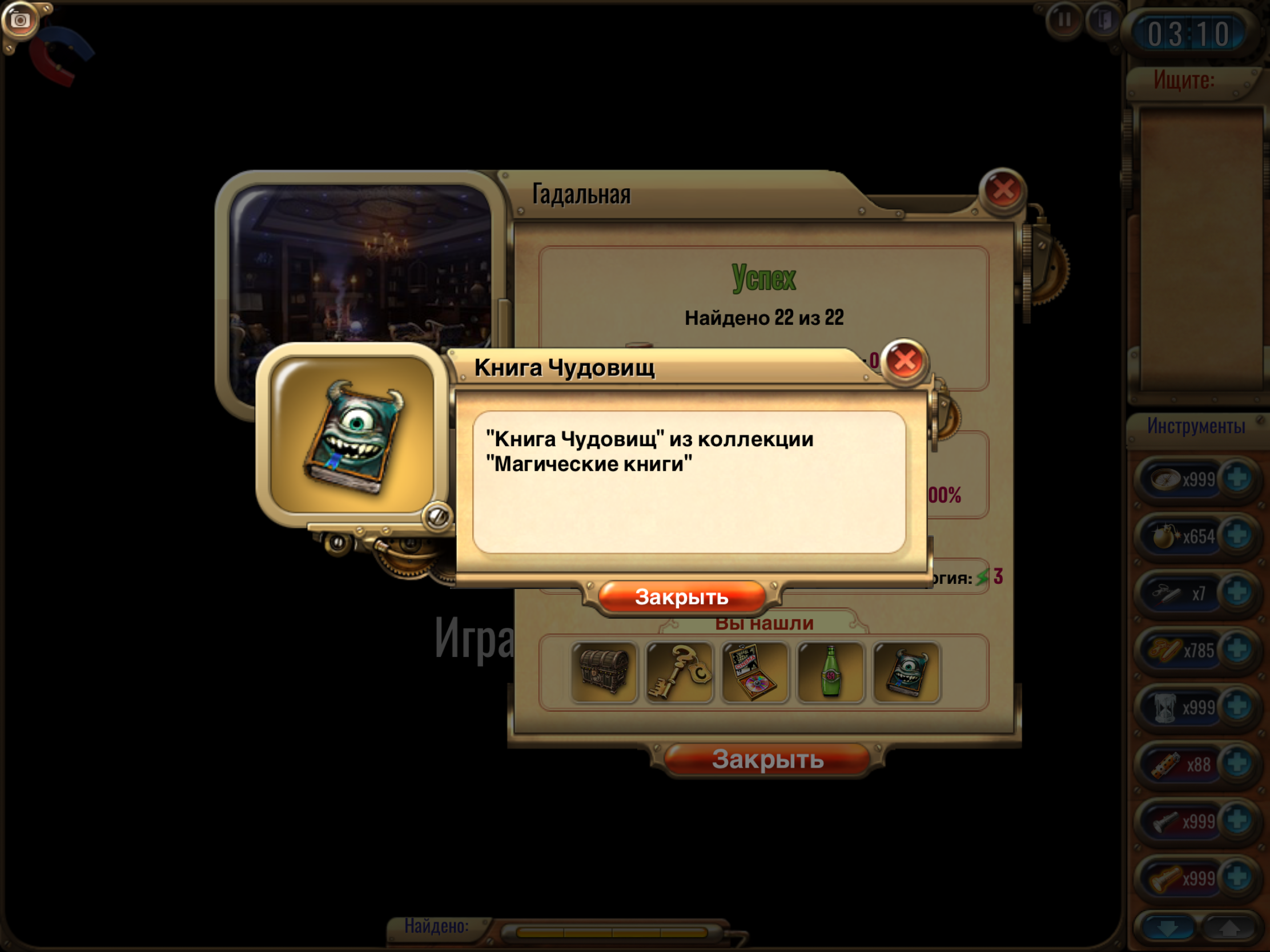
Розалинда осторожно открыла «Книгу чудовищ» и, к своему удивлению, обнаружила, что там описывались не только настоящие монстры, но и люди с весьма подозрительными привычками.
Пролистав несколько страниц, она нашла подходящую запись и довольно улыбнулась. Книга подсказывала, что новый сосед был «существом редким, но опасным»: снаружи совершенно обычным, зато способным одним взглядом заставить ведьму забыть все заготовленные заклинания.

Розалинда задумалась, перечитала абзац и прошептала:

— Значит, чудовище не он. Это, похоже, я рядом с ним превращаюсь в полную идиотку.

Кот с полки одобрительно мяукнул, и Розалинда впервые за пятнадцать лет решила не спорить с предсказанием.

https://upforme.ru/uploads/0019/3c/8c/198/t292565.png

Подпись автора

48557а

+4

1302

gallery

🎬✨ MAGIC BEYOND THE FRAME

📍 Cinephile Room

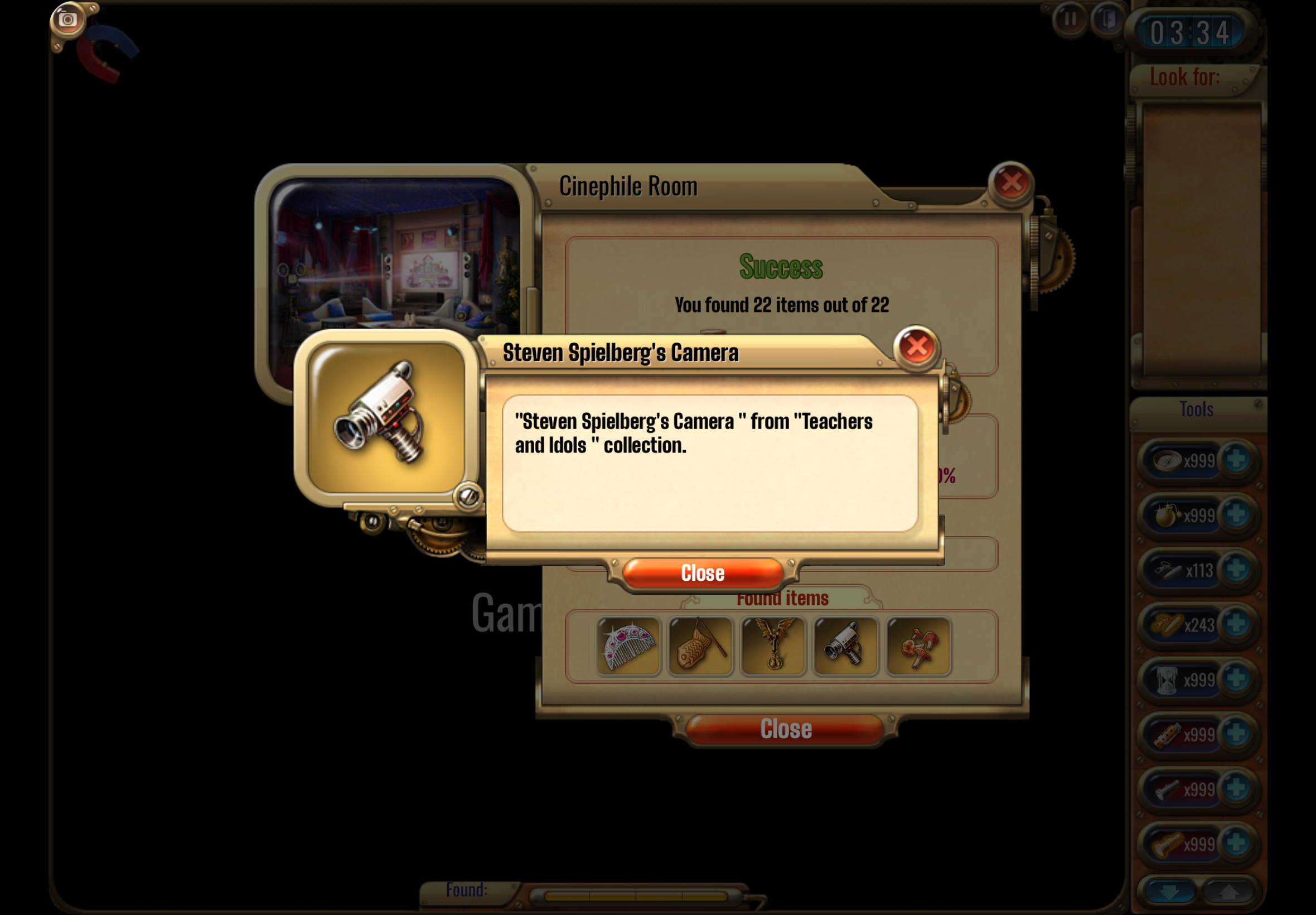
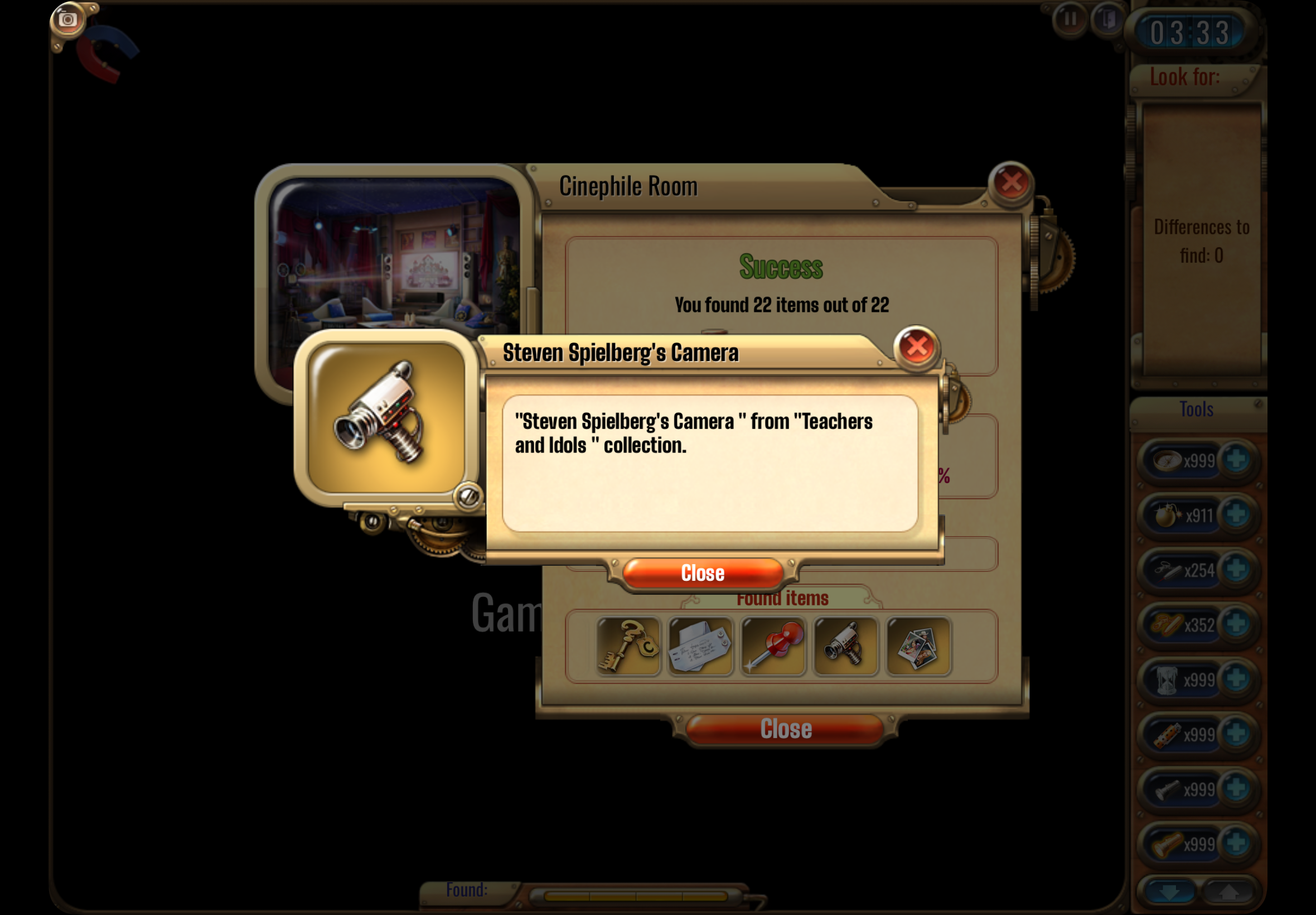
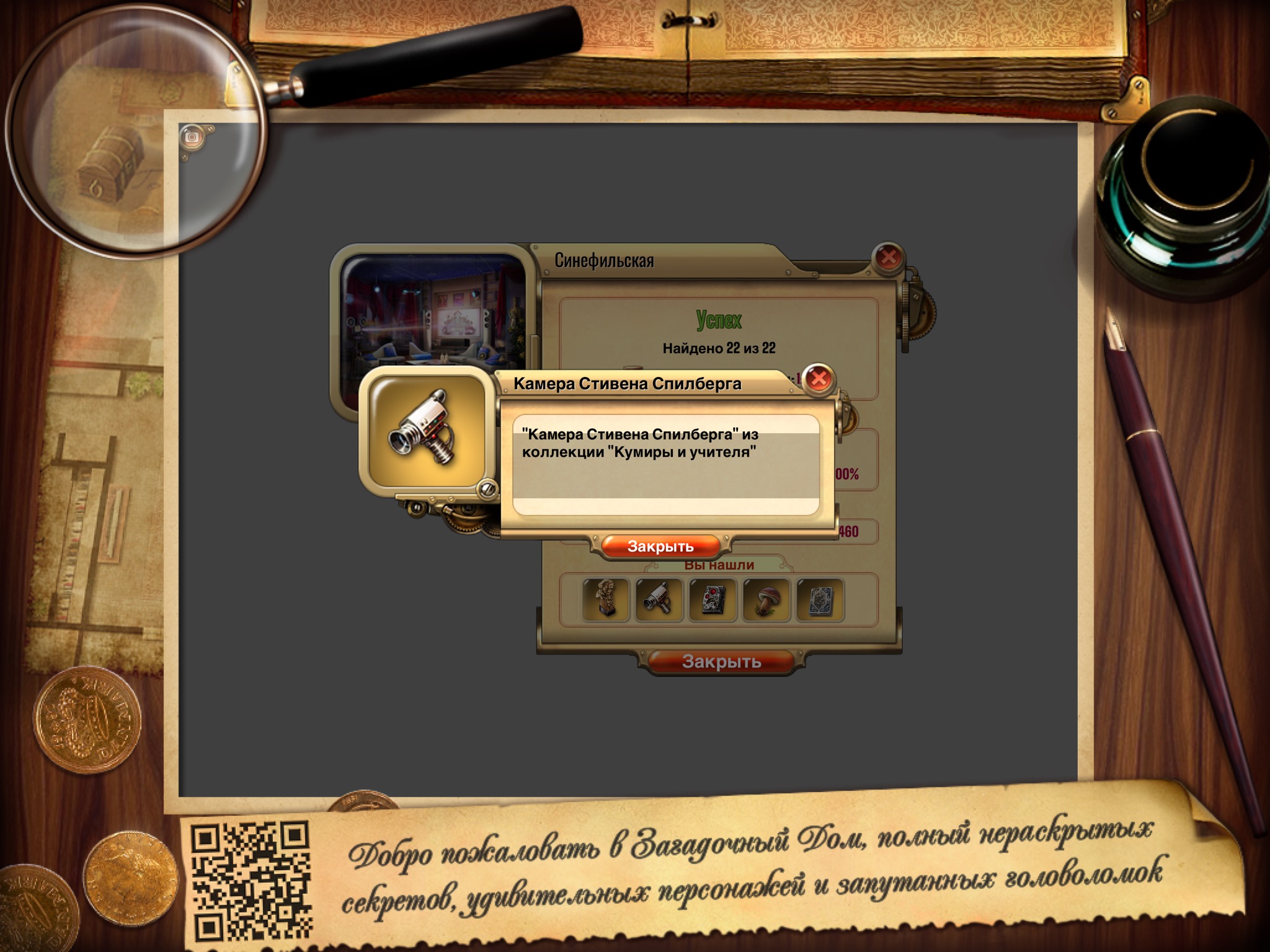
Found Item: Steven Spielberg’s Camera

🎞 PART 1 — TARA

The Movie That Was Never Made

There are certain objects in Mystery Manor that practically announce:

Tara should absolutely not touch this.

Steven Spielberg’s camera was one of them.

It sat inside the Cinephile Room’s old glass display case on faded burgundy velvet, surrounded by relics supposedly carried by cinema legends.

DeNae read the little brass plaque.

“Steven Spielberg’s camera. Idols and Teachers Collection.”

I leaned closer.

It was small. Silver. Old-fashioned.

And glowing.

Very faintly.

DeNae saw me notice.

“No.”

“I didn’t say anything.”

“You don’t have to.”

“But what if—”

“No.”

I opened the case.

“Tara.”

I picked up the camera.

“TARA.”

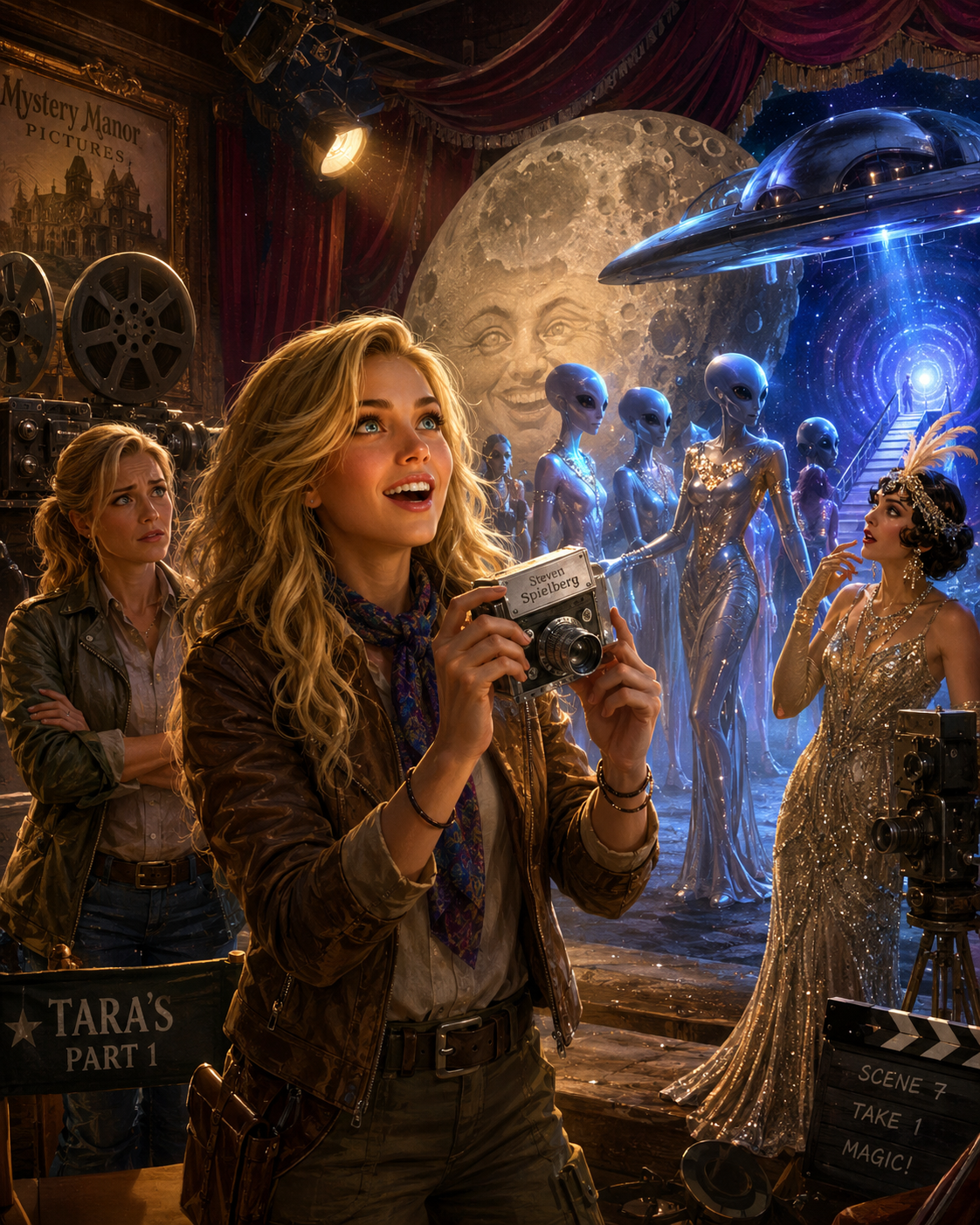
The moment my finger touched the shutter button, every projector in the room switched on.

🎥 CLICK.

The Cinephile Room vanished.

When my vision cleared, DeNae and I were standing in the middle of a movie studio.

Except it wasn’t our movie studio.

Huge painted moon backdrops hung from wooden rafters. Men rolled enormous cameras across the floor. Women in beaded gowns and feathered headbands hurried between sets.

Nobody was speaking.

Well…

They were speaking.

We just couldn’t hear them.

I stared at DeNae.

She stared at me.

An enormous title card suddenly appeared between us.

HOLLYWOOD — 1926

I grinned.

DeNae pointed at me.

Another title card appeared.

DO NOT SAY “ALIENS.”

I hadn’t.

Yet.

Across the soundstage, a glamorous silent-film actress stood beneath an artificial moon while a handsome leading man dramatically battled a papier-mâché creature that appeared to be part octopus, part dragon, and mostly bedsheet.

Apparently they were filming:

THE PRINCESS OF MARS

And judging by the director’s expression…

It was going terribly.

The monster collapsed.

The moon backdrop fell over.

The handsome hero tripped over a crater.

The actress continued posing magnificently because she was clearly a professional.

Then Steven Spielberg’s camera grew warm in my hands.

A whisper came through the viewfinder.

“Don’t photograph what they built.”

I raised the camera.

“Photograph what’s there.”

I looked through the lens.

And gasped.

Behind the painted moon…

there was another sky.

Not canvas.

Not scenery.

Stars.

Thousands of them.

And drifting silently toward the studio was an enormous silver spacecraft.

I lowered the camera.

Nothing.

Painted backdrop.

Fake moon.

Very irritated director.

I looked through the camera again.

Spaceship.

“Ohhhh…”

DeNae grabbed my arm.

“No.”

“You don’t even know what I’m going to say.”

“Yes, I do.”

I pointed the camera toward the ceiling.

“Aliens.”

Her face did that thing it does when she realizes the universe has once again encouraged me.

The spacecraft passed straight through the studio roof.

Nobody screamed.

Because nobody could see it.

Then five figures stepped onto the soundstage.

And apparently extraterrestrials had decided that first contact required excellent cheekbones.

They were stunning.

Tall. Elegant. Almost human.

Their skin shimmered faintly beneath the studio lights, and their silver clothing moved like liquid starlight.

One of the men had long silver-black hair, ridiculous eyelashes, and the sort of face that suggested an entire civilization had invested heavily in genetics.

The silent-film actress saw him.

She dropped character immediately.

The alien smiled.

She fainted.

The director clapped furiously because he apparently thought it was brilliant acting.

And just like that…

the movie changed.

The cameras rolled.

The actors believed the visitors were extras.

The aliens believed the actors were Earth’s official welcoming delegation.

Nobody understood anybody.

It was magnificent.

The glamorous actress taught an alien woman how to do a dramatic silent-film swoon.

The handsome leading man tried to sword-fight an extraterrestrial commander.

The commander politely vaporized the sword.

The director nearly wept with joy.

And then the handsome silver-haired alien looked directly at me.

Not at the old studio camera.

Not at the actors.

At me.

He pointed to Spielberg’s camera.

Then toward the moon set.

I lifted it.

Through the lens, the fake scenery disappeared completely.

The soundstage opened into infinity.

Stars.

Nebulas.

Planets.

Earth glowing blue in the distance.

And standing beneath all of it was the silent-film actress, her hand reaching toward the alien visitor.

It was breathtaking.

I pressed the shutter.

🎥 CLICK.

For one perfect second…

Hollywood photographed something humanity wouldn’t officially discover for generations.

The old director slowly approached us.

He couldn’t see the aliens anymore.

But he had seen the shot.

And somehow he understood.

He touched the camera reverently.

A new title card appeared.

EVERY GREAT STORY BEGINS WHEN SOMEONE SEES WHAT EVERYONE ELSE MISSED.

Then Spielberg’s camera began glowing again.

DeNae grabbed my hand.

“Tara…”

The studio started dissolving around us.

The actors faded.

The lights disappeared.

The beautiful alien man was the last thing remaining.

He smiled.

And mouthed two words.

“Not yet.”

🎥 CLICK.

We fell through the film.

https://upforme.ru/uploads/0019/3c/8c/7190/628296.png

Отредактировано Tara 031cde (2026-08-14 04:35:38)

Подпись автора

Tara 🇺🇸 031cde
Guild: Double D’s

+4

1303

gallery

🎬 PART 2 — DeNAE

The Missing Frame

There are several things I would like officially entered into the Mystery Manor record.

First:

Tara touched the camera.

Obviously.

Second:

We accidentally traveled to 1926.

Again, not particularly surprising anymore.

Third:

There were aliens.

I’m exhausted just writing that sentence.

When we landed back inside the Cinephile Room, Tara was still clutching Steven Spielberg’s camera.

She looked thrilled.

I checked that we still possessed the correct number of limbs.

Priorities.

“Tara.”

“I KNOW.”

“No, you don’t.”

“Beautiful aliens.”

“That is precisely the problem.”

She smiled.

I sighed.

Then the projector behind us switched on.

By itself.

Of course.

An old black-and-white film flickered across the screen.

The title appeared:

THE PRINCESS OF MARS — 1926

Tara grabbed my arm.

“That’s it!”

We watched.

The silent-film actress appeared.

The ridiculous monster appeared.

The leading man appeared.

But the aliens were gone.

Every single one.

The historical film showed ordinary actors standing where our extraterrestrial visitors had been.

Except…

something was wrong.

For one frame—barely more than a flash—the image changed.

Stars filled the screen.

The actress reached toward empty space.

And beside her stood the silver-haired alien.

One frame.

Then gone.

Tara whispered, “That was my picture.”

The camera clicked by itself.

🎥 CLICK.

A second reel dropped from the projector.

There was handwriting on the metal case:

FOR THE DIRECTOR WHO WILL NEED THIS SOMEDAY.

We threaded it into the projector.

The film began.

Decades passed in seconds.

Then the reel stopped.

A young filmmaker stood alone in an editing room.

He looked exhausted.

Storyboards covered the walls.

Spaceships.

Stars.

A lonely child.

A strange visitor from somewhere beyond Earth.

Steven Spielberg.

The camera sat beside him.

Our camera.

He picked it up and turned it over in his hands.

For just a moment, he seemed completely stuck.

Then he looked through its viewfinder.

The projector image changed.

The 1926 studio appeared again.

The silent actress.

The alien visitors.

That impossible shot of two worlds reaching toward each other.

And suddenly the young director smiled.

Not because the camera gave him a finished movie.

Not because it told him what to do.

It simply reminded him of something.

Aliens didn’t have to arrive as monsters.

First contact didn’t have to begin with armies.

Sometimes the most powerful story was simply:

What happens when someone from somewhere impossible meets someone who chooses not to be afraid?

Spielberg lowered the camera.

Then he started drawing.

A silhouette.

A child.

A visitor.

A beam of light cutting through darkness.

Tara looked at me.

“He saw them.”

“Maybe.”

“He absolutely saw them.”

“Or the camera showed him what he needed to imagine.”

She considered that for approximately two seconds.

“Alien.”

Naturally.

Then another figure appeared on the film.

The old projectionist from the Cinephile Room.

Much younger.

He carefully took Spielberg’s camera and placed it inside a velvet-lined case.

He attached a handwritten note:

**GREAT DIRECTORS DO NOT FIND MAGIC IN OBJECTS.

THE OBJECTS MERELY REMIND THEM WHERE TO LOOK.**

The film ended.

The Cinephile Room fell silent.

For once, Tara didn’t immediately say anything.

She carefully returned the camera to the display case.

I nearly documented the occasion.

Then we noticed something lying on the velvet beneath it.

A photograph.

It had not been there before.

Black and white.

The silent-film cast stood beneath the painted moon.

The director.

The actress.

The leading man.

Tara.

Me.

And five extraordinarily beautiful extraterrestrials.

I turned the photograph over.

There were three handwritten words.

WE REMEMBER YOU.

I stared at Tara.

“No.”

“I didn’t say anything.”

“You were about to.”

She pointed toward the window.

High above Mystery Manor, a single bright light moved silently across the night sky.

It stopped.

Blinking once.

Twice.

Then disappeared.

Tara smiled.

I put the photograph into my notebook.

Because apparently this is my life now.

And somewhere behind us, from inside the locked display case…

Steven Spielberg’s camera clicked one final time.

🎥 CLICK.

On the blank movie screen, glowing words slowly appeared:

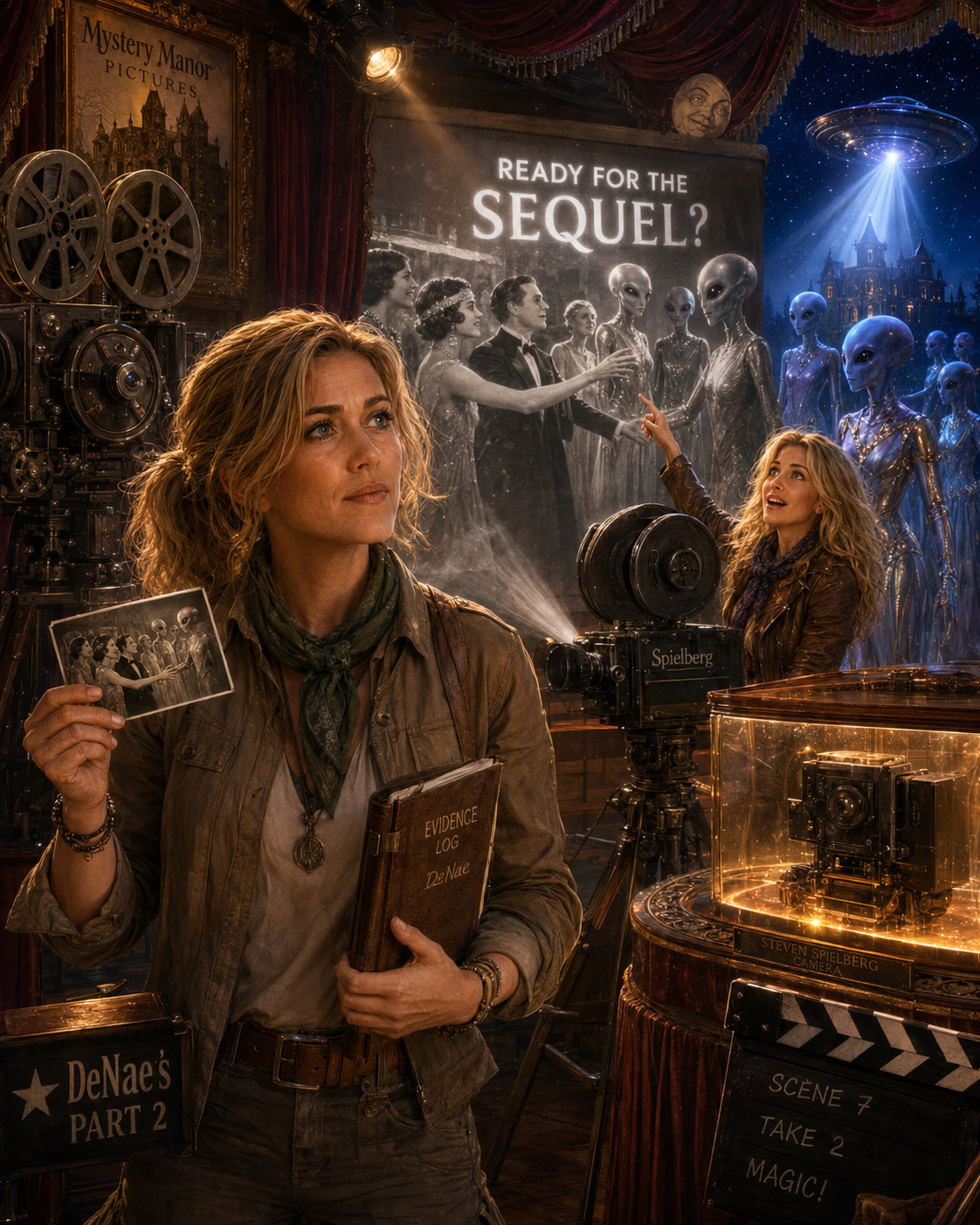
READY FOR THE SEQUEL?

Tara whispered:

“Absolutely.”

I whispered:

“No.”

The projector started anyway.

ACTION. 🎬✨

https://upforme.ru/uploads/0019/3c/8c/7246/996544.png

Отредактировано DeNae (2026-08-14 04:40:32)

Подпись автора

DeNae 🚌 67b526 🇺🇸

Guild: Tagalong

+4

1304

gallery

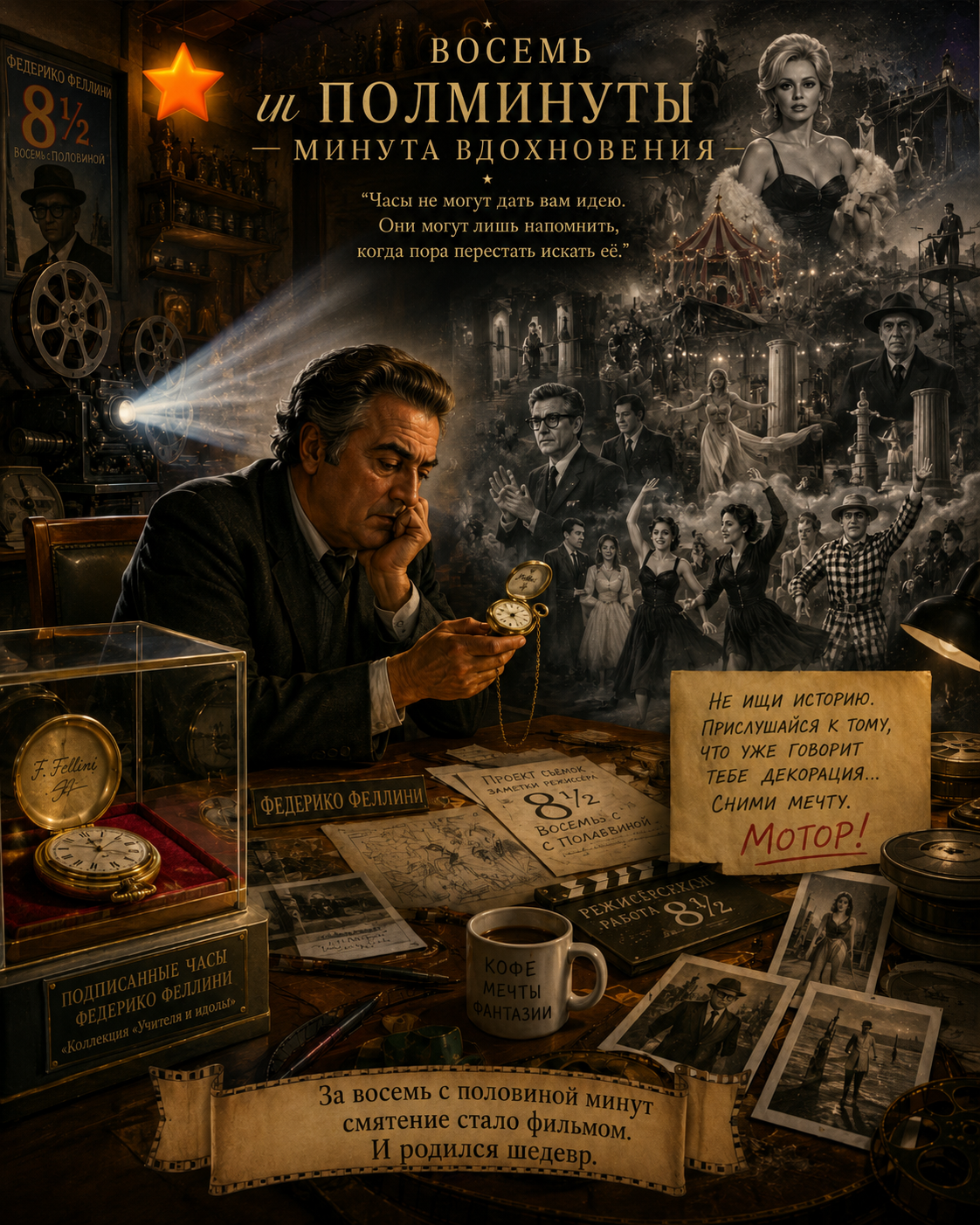
The Eight-and-a-Half Minute 🎬⌚✨
There are many stories about Federico Fellini.
This one probably isn't true.
Which, considering Fellini, is an excellent place to begin.
It happened during the making of 8½, when Fellini had reached the uncomfortable stage of directing a film about a director who didn't know what film he wanted to make—while privately, HE was the director who didn't know what film he wanted to make.🙃
The sets were built. The actors were waiting. The crew was waiting.
The producers were doing that particularly terrifying thing producers do when they are trying to look as though they are not waiting.
And Federico Fellini had absolutely no idea what to shoot next.
He sat alone on the enormous set and took out his pocket watch.
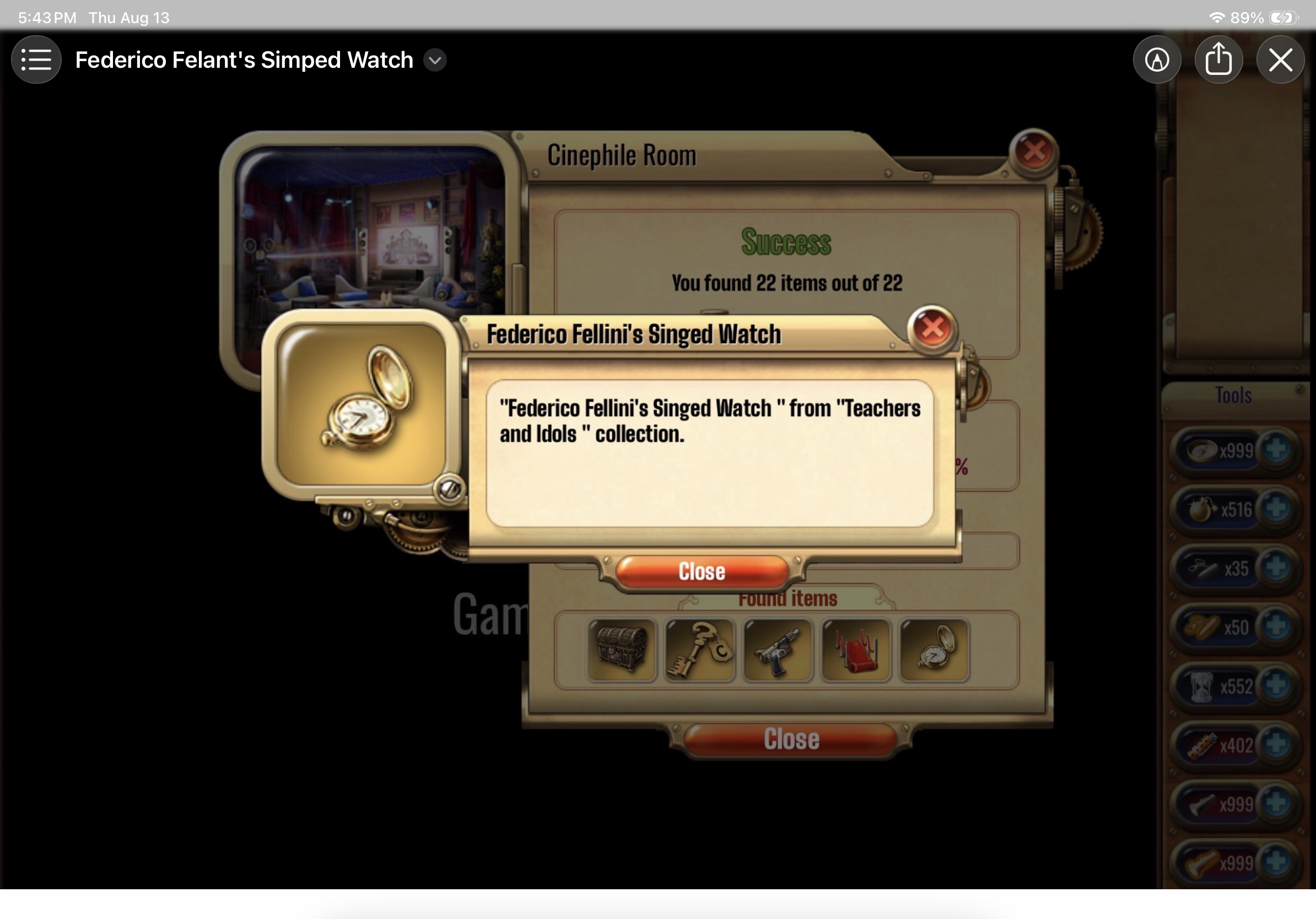
It had been given to him years earlier, and somewhere along the way he'd scratched his signature inside the case.
He opened it.
Tick.
Tick.
Tick.
Fellini stared at the second hand.
Then something peculiar happened.
For exactly eight and a half minutes, he decided he would stop trying to make the movie.
No story. No explanations. No producers. No worrying whether the audience would understand.
For eight and a half minutes, he would simply watch.
So that’s what he did…
—An actress crossed the set looking for someone.
A stagehand climbed a ladder.
A woman laughed.
Someone shouted from behind a curtain.
A man wandered through carrying something that belonged in an entirely different scene.
Two extras began dancing because they thought nobody was watching.—
The great artificial world Fellini had built suddenly stopped looking like a film set.
It looked like a memory. Or a dream. Or perhaps a circus.
Fellini looked down.
The watch had reached eight minutes and thirty seconds.
He snapped it shut.
"Don't move anything," he said.
The crew froze.
Fellini stood.
"Camera."
Someone cautiously asked, "What are we filming?"
Fellini smiled.
"All of it."
And that was the moment the problem disappeared.
The film didn't need to escape its confusion.
The confusion was the film.
The director searching for his story WAS the story.
Reality could wander into fantasy. Memories could interrupt the present. People could appear simply because the director remembered them. Life didn't have to march obediently from one scene to another.
It could dance.
Years later, after Fellini was gone, an elderly projectionist supposedly acquired the little signed watch and placed it inside a glass case in the Cinephile Film Studio.
He never claimed it was magical.
In fact, whenever young filmmakers asked whether the watch really gave Fellini the idea for 8½, the old man always answered the same way.
"Of course not."
Then he'd lean closer.
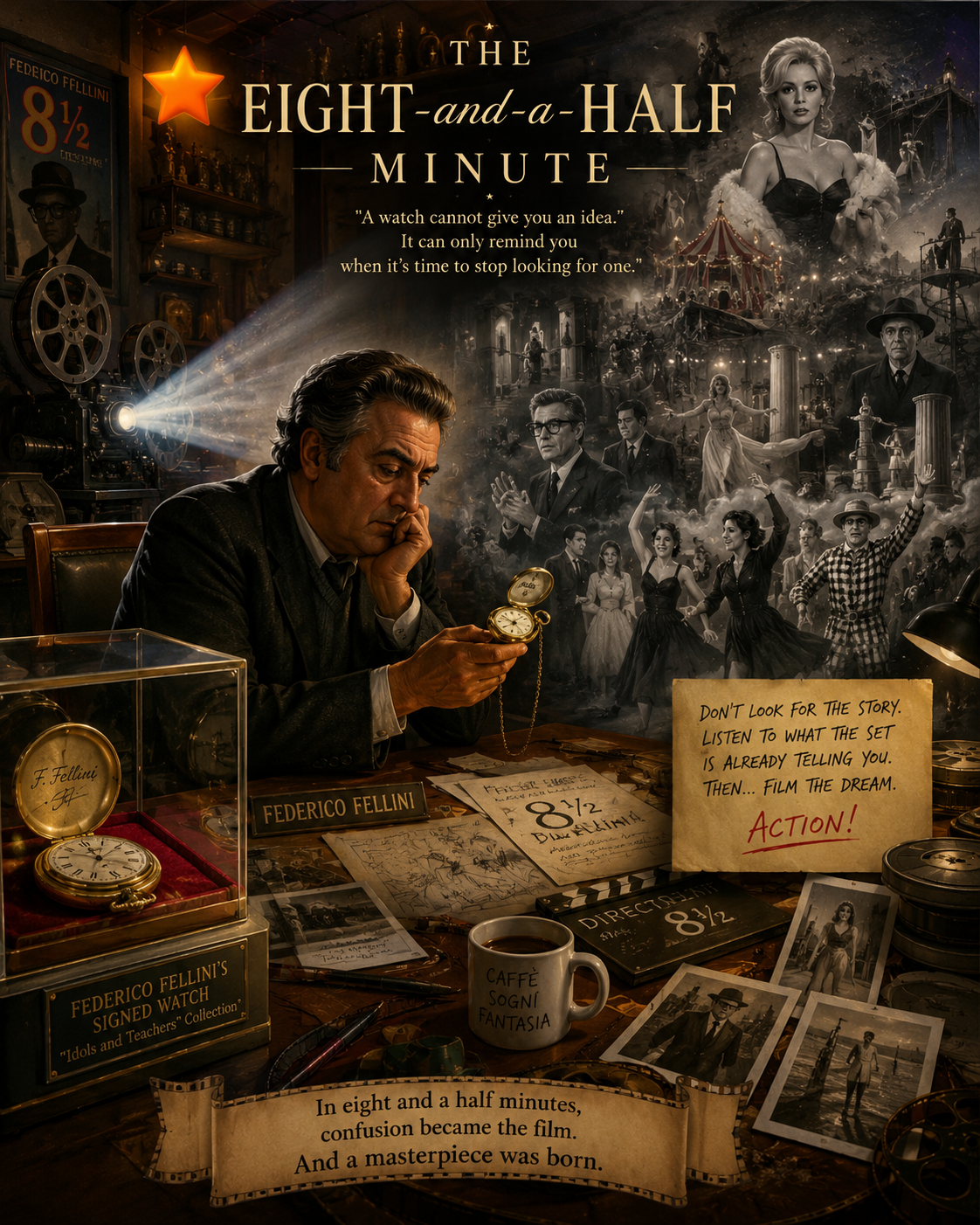
"A watch cannot give you an idea."
He would glance toward the display case.
"It can only remind you when it's time to stop looking for one."
And perhaps that's why people still linger in front of the old case.
Because among all those relics of cinema sits a small gold watch, its hands perfectly still.
And if someone stands there long enough, wondering how to begin their masterpiece, they may notice something scratched faintly inside its cover:
F. Fellini
And beneath it, in handwriting that looks suspiciously newer:
Give yourself eight and a half minutes.
Sometimes that's all a dream needs.
Action. 🎬

https://upforme.ru/uploads/0019/3c/8c/7183/340342.png

https://upforme.ru/uploads/0019/3c/8c/7183/397715.png

Отредактировано BrownGunner6864 (2026-08-14 04:53:34)

Подпись автора

D8ab2f

Guild: Double D’s

+4

1305

Adventure Quest.  Cinephiles Room - Magic Beyond The Frame
https://i.imgur.com/Hl14ZyXm.png

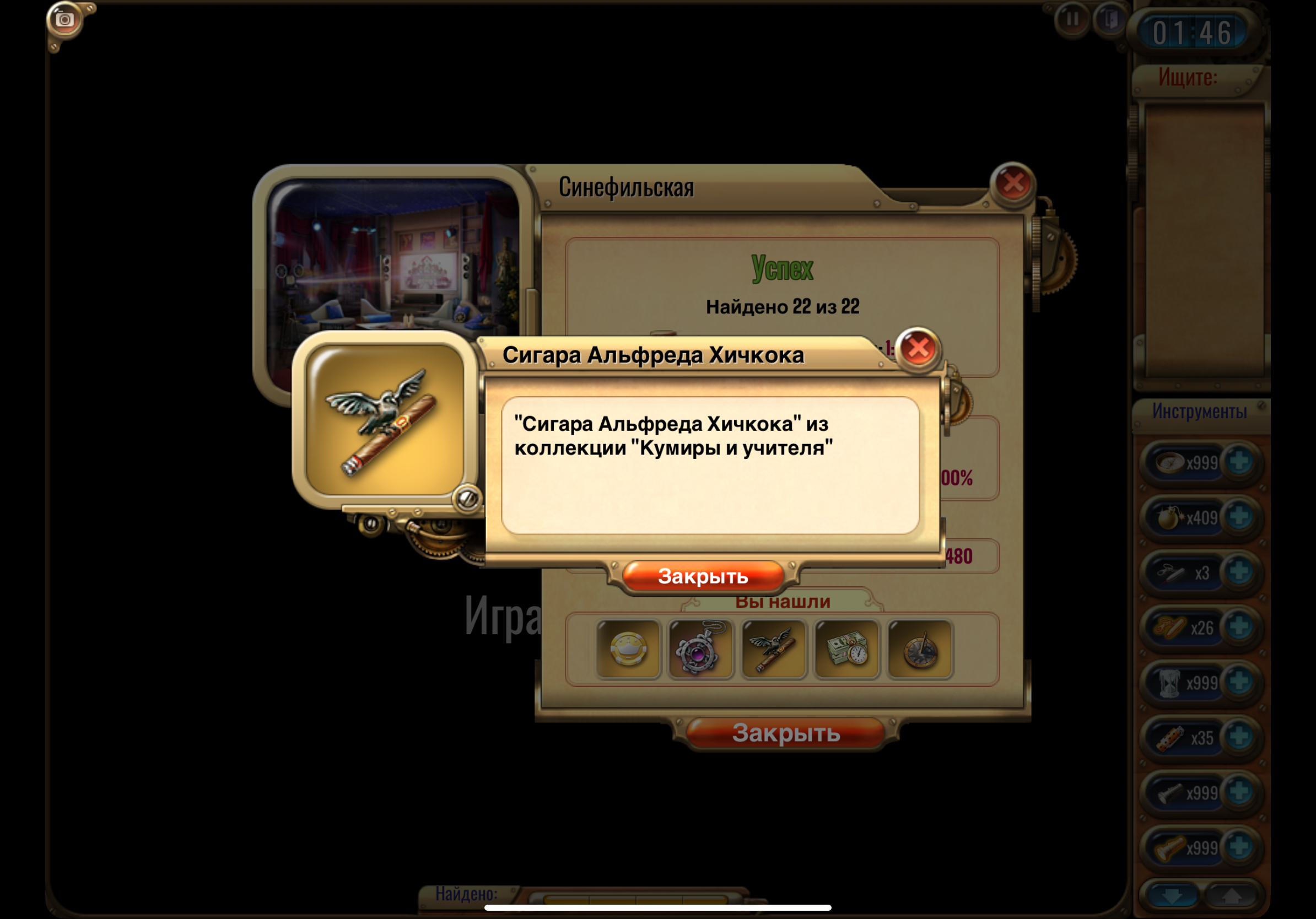
Alfred Hitchcock's Cigar: The Shot That Made the Stairs Fall Away  🎬✨
In the Cinephile Film Studio, where every drifting speck of dust in the projector's beam seems to be performing in a silent picture, there stands a narrow display case lined with faded burgundy velvet. Inside are objects that have no sensible reason to be there: a pencil worn blunt by Walt Disney's hand, a tea strainer once belonging to Georges Méliès—and, resting in a silver groove, a dark, unsmoked cigar wrapped in a cracked paper band. The old projectionist, Elias Wren, claimed that great directors left something of themselves in ordinary possessions: an unfinished thought, a stubborn question, perhaps even the beginning of a shot. Of all his treasures, he guarded the cigar most carefully. “That one,” Elias would whisper, “belonged to Alfred Hitchcock—and once prevented  Vertigo  from becoming merely a film about a frightened man standing on some stairs.”

During the making of  Vertigo  in 1958, Hitchcock faced a problem that had followed him for years. He wanted the audience to experience fear of heights from inside Detective John “Scottie” Ferguson's mind. It was not enough to show James Stewart looking terrified or to point the camera down a bell-tower stairwell. Hitchcock wanted the steps themselves to appear to stretch away, as though the building had suddenly inhaled and become bottomless. One evening, after another unsuccessful test, cinematographer Robert Burks, second-unit cameraman Irmin Roberts, and assistant director Hilton Green gathered around a model of the tower shaft while Hitchcock sat in silence, turning a cigar between his fingers. “The trouble,” Burks said, “is that the camera can move, or the lens can change what it sees—but neither movement alone gives you what you're describing.” Hitchcock frowned. “Then perhaps,” he replied, “they are being far too polite to one another.”

He placed the cigar upright beside a small cardboard figure representing Scottie and slowly drew it backward across the table. With his other hand, he formed a circle around it using his thumb and forefinger, narrowing the opening as the cigar retreated. The cigar remained almost the same size within that improvised frame, yet the miniature stairs behind it seemed to swell and crowd forward. Hitchcock stopped. His eyebrows rose by scarcely half an inch, which, for him, was roughly equivalent to another man leaping onto the table and shouting  Eureka!  "Move the camera one way," he murmured, "and change the lens in the other. Keep the man where he is—and make the world abandon him." Irmin Roberts stared at the cigar, then at the model stairwell. “That might work,” he said. Hitchcock gave him a grave look. “Mr. Roberts, in suspense pictures,  might  is simply  will  wearing a false mustache.”

The solution became the famous dolly zoom: the camera moved while the zoom lens changed in the opposite direction, keeping the central subject relatively stable while violently altering the surrounding perspective. Because moving a heavy camera vertically through a full-sized tower shaft would have been difficult and expensive, the crew constructed a miniature shaft, laid it horizontally, and filmed along it instead. When the finished image appeared in the screening room, the stairwell seemed to lengthen impossibly beneath Scottie's gaze. The walls drew away, the steps plunged downward, and the audience's stomach appeared to arrive at the bottom several seconds before the rest of them. The technique would become so closely associated with the film that generations of filmmakers would call it the “Vertigo effect” or the “Hitchcock shot.” Historically, Roberts is credited with devising the practical method used for Hitchcock's idea; the cigar's role, naturally, belongs to the Cinephile Studio's more mysterious records.  Vertigo production historyexplanation of the effect

After the successful test, Hitchcock examined the cigar and discovered that he had crushed its end while thinking. He didn't smoke it. Instead, he handed it to Elias Wren, then a young projection assistant visiting the set, and said, “Keep this. It has already produced enough smoke for one evening.” Elias carried it for the rest of his career and eventually placed it in the Cinephile display case. Years later, a nervous student director named Clara Bell lingered before the glass while struggling with her first film. She had planned a scene in which a woman learns that her entire life has been a lie, but every version felt flat. Looking at the cigar, Clara suddenly understood: the actress did not need to move at all. The room around her should change. Clara hurried away to arrange a slow reverse camera movement as the walls appeared to close in—and behind her, the cigar rolled once across the velvet, although the case was locked and perfectly level.

So slip the captured frame into your pocket—the mystery of the old display case has finally yielded its secret. Cinema's truest magic does not live only in elaborate effects, painted scenery, or clever machinery; sometimes it lingers in a humble object that remembers the warmth of a brilliant hand and the instant when an impossible idea became possible. If you pass the Cinephile Studio tomorrow and see someone staring intently through the glass, let them be. A muse may already be whispering through the velvet, offering them the opening image of a story no one has seen before. The projector is turning, the shadows are waiting, and somewhere in the darkness a camera begins to move.

Aaaand… action!  🎬

+3

1306

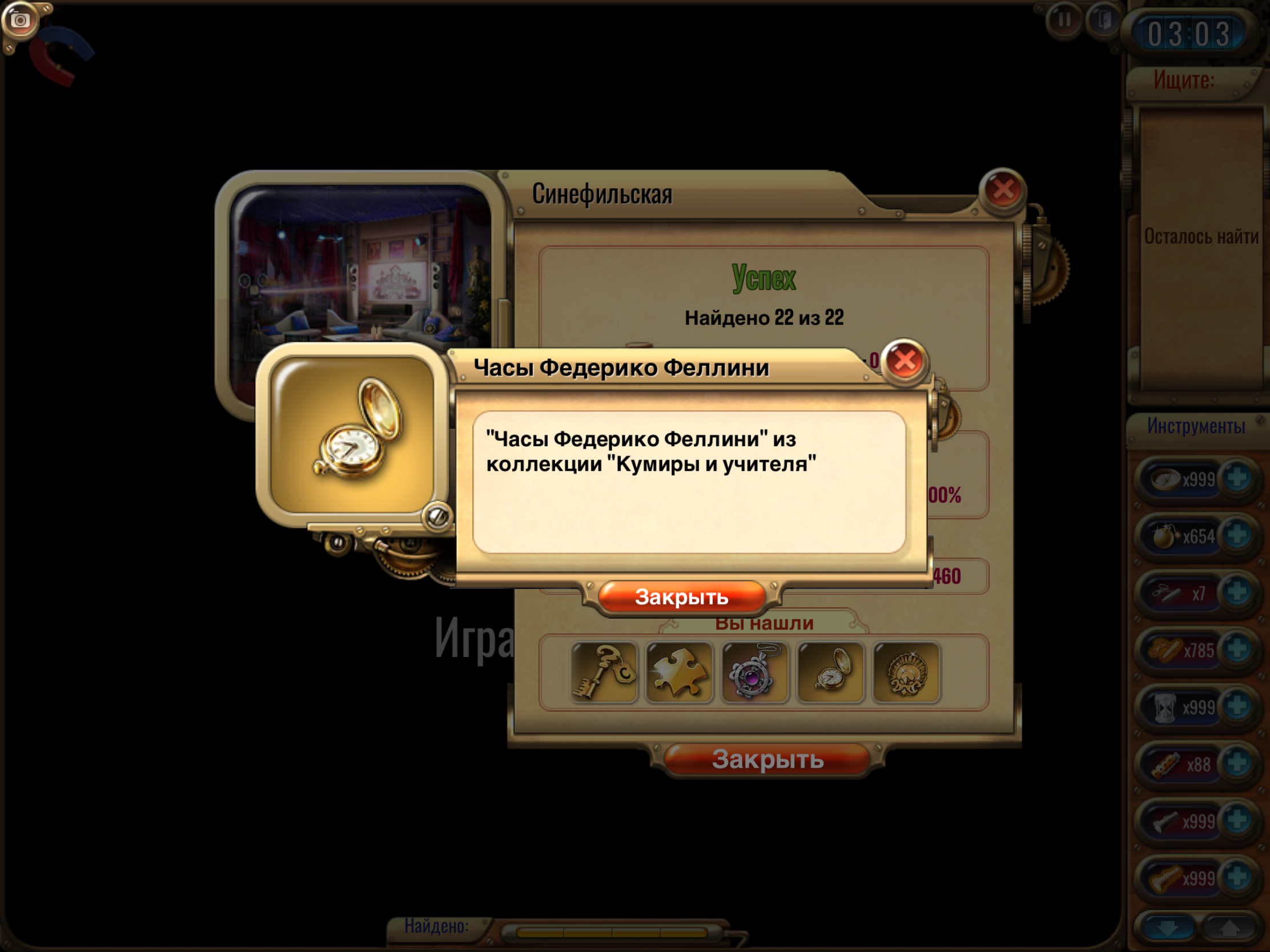
Говорят, часы Федерико Феллини в витрине Синефильской остановились в тот самый день, когда режиссёр никак не мог придумать финальный кадр для новой сцены.
Феллини перебирал варианты, спорил с ассистентами, ходил по павильону и уже всерьёз собирался отказаться от съёмок. Тогда он заметил на столе свои старые часы. Стрелки показывали без десяти семь и почему-то не двигались.

Он посмотрел на них, потом на окно, за которым медленно темнело небо.

— А что, если время в этой сцене тоже остановилось? — тихо сказал он.

Через несколько минут вся съёмочная группа уже перестраивала сцену. Герой должен был стоять неподвижно посреди оживлённой улицы, пока вокруг него продолжалась обычная жизнь.

Кадр получился настолько необычным, что именно его потом называли спасением всей сцены.

А часы Феллини после этого он якобы больше никогда не заводил.

«Если однажды они подсказали мне хороший кадр, пусть лучше молчат», — шутил режиссёр.

https://upforme.ru/uploads/0019/3c/8c/198/t882685.png

Подпись автора

48557а

+3

1307

https://upforme.ru/uploads/0019/3c/8c/7213/122174.png
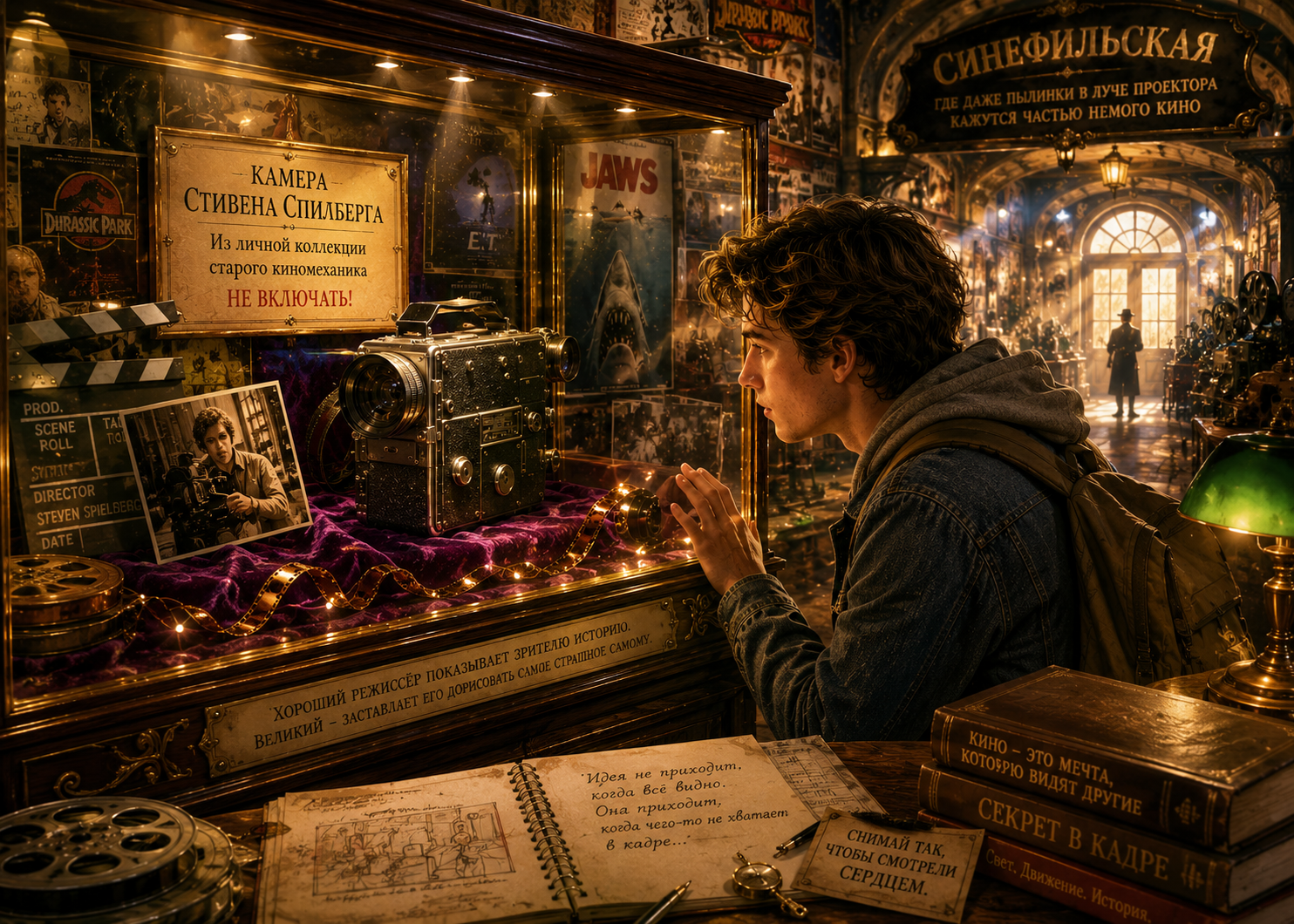
В Синефильской, где даже пылинки в луче проектора кажутся частью немого кино, была одна витрина.
Она стояла в самом конце улицы, между старой афишной мастерской и кинотеатром «Аврора», который давно показывал уже не столько фильмы, сколько воспоминания о них.

За толстым стеклом, на выцветшем бордовом бархате, лежали вещи, которым, казалось, было тесно в обычной реальности.

Сломанная ручка от старой кинокамеры.

Крошечный компас без стрелки.

Латунный ключ, который, по слухам, когда-то открывал дверь в павильон, которого больше не существовало.

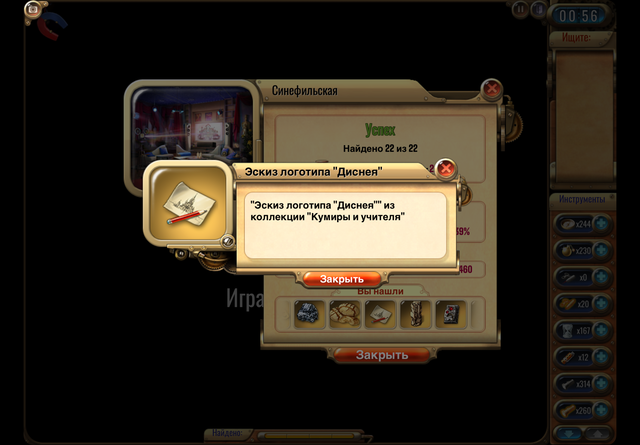
И небольшой лист пожелтевшей бумаги.

На нём был сделан карандашный набросок: плавная линия, похожая на дугу, и над ней несколько неровных букв.

Disney.

Рядом стояла маленькая табличка:

«Эскиз. Приписывается Уолту Диснею. История появления неизвестна».

Но в Синефильской почти никогда не было историй без продолжения.

Старый киномеханик Аркадий Петрович, который работал здесь ещё тогда, когда фильмы перевозили в тяжёлых жестяных коробках, рассказывал, что бумагу привёз из Америки его дед.

— Подлинность? — всякий раз спрашивали его.

— А вам обязательно знать? — отвечал он. — Некоторые вещи становятся настоящими только после того, как в них начинают верить.

И однажды он рассказал, что этот листок принадлежал не просто человеку по имени Уолт Дисней.

Он принадлежал человеку, который однажды не мог придумать финал.
Это произошло много лет назад.

В небольшой студии царил беспорядок. На столах лежали карандаши, листы с раскадровками, банки с краской. На стенах висели рисунки, а на полу валялись десятки вариантов одной и той же сцены.

Уолт Дисней стоял перед огромным листом бумаги и молчал.

Мультфильм почти был готов.

Почти.

Но именно это «почти» грозило превратиться в катастрофу.

Герой должен был в финале совершить поступок, который заставил бы зрителя одновременно улыбнуться и поверить в чудо.

Однако все варианты казались неправильными.

Слишком громкими.

Слишком сентиментальными.

Слишком похожими на то, что уже было сделано.

— Нет, — сказал Уолт и зачеркнул очередной рисунок.

Художники переглянулись.

Кто-то предложил перенести сцену.

Кто-то — добавить музыку.

Кто-то осторожно заметил, что зритель, возможно, вообще не заметит разницы.

Уолт поднял голову.

— Зритель заметит.

Он всегда так говорил.

Даже если зритель не мог объяснить, что именно было не так, он должен был это почувствовать.

В тот вечер Уолт остался в студии один.

За окном шёл дождь.

Он включил настольную лампу, взял карандаш и начал машинально рисовать на клочке бумаги.

Не сцену.

Не персонажа.

Просто линию.

Дугу.

Потом ещё одну.

Он вдруг заметил, что линии складываются в знакомый силуэт.

И вспомнил старую историю.

Когда-то он видел на одном из рисунков странную композицию: горизонт, над ним — огромная дуга, а под ней маленькая фигура.

Ничего особенного.

Но взгляд почему-то сразу цеплялся за эту маленькую фигуру.

Потому что вокруг неё было пространство.

Много пространства.

И вдруг Уолт понял.

Он всё время пытался сделать финальный кадр больше.

А нужно было сделать его тише.

Он быстро перевернул лист.

На обратной стороне нарисовал новую раскадровку.

Персонаж стоял почти один в центре кадра.

Вокруг — огромное небо.

Никаких лишних деталей.

Никакого объяснения.

Только движение, пауза и маленькая надежда.

Уолт долго смотрел на рисунок.

Потом улыбнулся.

— Вот оно.

На следующий день сцену переделали.

И именно она, по легенде, стала той самой сценой, после которой зрители в зале сначала замолкали, а потом улыбались.

Не потому, что произошло что-то грандиозное.

А потому, что камера на мгновение ничего не объясняла.

Она просто позволяла зрителю самому увидеть чудо.

Разумеется, никто не мог доказать, что всё было именно так.

Аркадий Петрович и сам признавался, что история много раз менялась.

Одни говорили, что Уолт носил этот лист в кармане.

Другие утверждали, что набросок сделал не он, а кто-то из художников студии.

Третьи считали, что вообще никакого спасённого фильма не существовало.

Но была одна странность.

На обратной стороне листа, которую посетителям обычно не показывали, карандашом была написана короткая фраза:

«Не добавляй чудо. Оставь ему место».

Никто не знал, кто её написал.

И это было, пожалуй, самое интересное.

С годами витрина стала местом паломничества начинающих режиссёров.

К ней приходили студенты киношкол.

Сценаристы.

Художники-аниматоры.

Иногда — просто люди, которые боялись начать.

Они стояли перед эскизом и смотрели на несколько простых линий.

Однажды вечером к витрине подошла девочка лет семнадцати.

В руках она держала папку с рисунками.

— Не получается? — спросил Аркадий Петрович.

Она покачала головой.

— Я всё испортила. Сначала было хорошо. А потом я решила сделать лучше.

Старик посмотрел на неё, потом на лист за стеклом.

— Знакомая болезнь.

Девочка усмехнулась.

— И что делать?

Аркадий Петрович постучал пальцем по стеклу.

— Посмотри внимательнее.

Она посмотрела.

— Что вы хотите сказать?

— Видишь этот рисунок?

— Да.

— В нём почти ничего нет.

— Именно.

Старик улыбнулся.

— Вот поэтому он и работает.

Девочка долго молчала.

Потом достала из папки карандаш, вынула один из своих рисунков и перечеркнула половину.

— Вы думаете, так лучше?

— Не знаю.

— А кто знает?

Аркадий Петрович пожал плечами.

— Только тот, кто рискнёт оставить пустое место.

Она ушла через несколько минут.

А через год вернулась.

Её короткометражный фильм получил главный приз на фестивале.

Она снова остановилась возле витрины.

Посмотрела на маленький эскиз.

И тихо сказала:

— Спасибо.

Старика рядом уже не было.

Только в стекле отражался свет старого фонаря.

А на пожелтевшем листе всё так же лежала простая карандашная линия — дуга, несколько букв и немного пустого пространства вокруг.

Наверное, именно в этом и заключалась тайна витрины.

Не в магии.

Не в знаменитом имени.

И даже не в том, действительно ли этот лист когда-то держал в руках великий мастер.

А в напоминании:

иногда гениальный кадр появляется не тогда, когда ты добавляешь ещё одну деталь, а тогда, когда наконец решаешься убрать всё лишнее.

И оставить в кадре место для чуда.

6b0f91

Подпись автора

Уровень 233;  6b0f91

+3

1308

https://upforme.ru/uploads/0019/3c/8c/39/375661.jpg
В Синефильской существовало правило:

камеру Спилберга из витрины не вынимать.

Почему — никто не объяснял.

На маленькой карточке под экспонатом значилось лишь:

«Камера Стивена Спилберга.
Не включать».

Именно последняя строчка, разумеется, больше всего раздражала молодых режиссёров.

Однажды ночью студент киношколы по имени Томас задержался в Синефильской после закрытия. Он уже неделю мучился над выпускным фильмом и окончательно решил, что никакого таланта у него нет.

Проходя мимо витрины, он остановился.

Камера лежала на выцветшем бархате.

Томас посмотрел на неё.

Потом на табличку.

— Не включать, значит?..

Через пять минут камера была у него в руках.

Он ожидал чего угодно.

Но камера оказалась совершенно обычной.

Старая.

Потёртая.

И, судя по всему, неработающая.

Томас уже собирался вернуть её на место, когда услышал:

щёлк.

Камера включилась сама.

На маленьком экране появилась запись.

Дата съёмки была стёрта.

Томас нажал воспроизведение.

Сначала шёл пустой коридор какой-то студии.

Потом камера повернулась.

В кадре появился молодой мужчина.

Томас узнал его сразу.

— Не может быть…

Это был Спилберг.

Совсем молодой.

Он сидел на полу возле декорации и спорил с кем-то за кадром.

— Нет, — говорил он. — Если мы покажем это целиком, зритель сразу всё поймёт.

Чей-то голос спросил:

— А что ты предлагаешь?

Спилберг задумался.

И тут камера неожиданно упала набок.

Изображение дёрнулось.

Теперь в кадре были только пол, край двери и тень человека за ней.

Спилберг посмотрел на экран.

Несколько секунд молчал.

Потом улыбнулся.

— Вот.

— Что «вот»?

— Не показывать его.

— Кого?

— Того, кого все ждут увидеть.

Он поднял камеру.

— Пусть зритель сначала увидит, что он делает с теми, кто его увидел.

Запись оборвалась.

Томас сидел неподвижно.

Вот она — легенда.

Случайно упавшая камера подсказала режиссёру приём: иногда неизвестность сильнее прямого изображения.

Но затем экран снова вспыхнул.

Появилась ещё одна запись.

Томас нахмурился.

На этот раз камера снимала Синефильскую.

Эту самую комнату.

Эту самую витрину.

— Что за…

Съёмка явно была старой: стены выглядели иначе, мебель тоже.

Возле витрины стоял старый киномеханик.

Он смотрел прямо в объектив.

— Если ты это видишь, значит, снова нашёлся человек, который решил, что запрет «не включать» написан для кого-нибудь другого.

Томас нервно усмехнулся.

— Очень смешно.

Киномеханик на записи продолжил:

— Теперь поставь камеру обратно.

Томас перестал улыбаться.

— Немедленно.

Он посмотрел на дверь.

Потом снова на экран.

— И не оглядывайся.

Томас медленно повернул голову к камере.

На записи за спиной киномеханика появилась длинная человеческая тень.

Самого человека в кадре не было.

Только тень.

Киномеханик тихо сказал:

— Вот поэтому Спилберг однажды понял одну очень важную вещь.

Пауза.

— Зрителю не обязательно видеть источник страха. Достаточно заставить его ждать, когда тот появится.

Экран погас.

И в ту же секунду за спиной Томаса что-то скрипнуло.

Он замер.

Оглядываться совершенно не хотелось.

Очень медленно Томас положил камеру обратно в витрину.

Закрыл стекло.

И только тогда повернулся.

Никого.

Конечно же, никого.

На следующее утро старый смотритель обнаружил возле витрины Томаса.

Тот сидел за столом и лихорадочно переписывал сценарий своего фильма.

— Нашёл идею? — спросил смотритель.

Томас кивнул.

— Я всё время пытался показать зрителю чудовище.

— А теперь?

Томас посмотрел на камеру.

— Теперь его вообще не будет в кадре.

Смотритель улыбнулся.

— Значит, камера снова сработала.

Томас медленно поднял голову.

— Что значит «снова»?

Смотритель уже уходил.

— Ничего.

— Подождите! А запись киномеханика?

Смотритель остановился.

— Какая запись?

— Та, где он стоит здесь и говорит со мной.

Улыбка исчезла с лица старика.

— Молодой человек… эта камера попала к нам уже после смерти киномеханика.

Томас почувствовал неприятный холодок.

— Тогда кто сделал запись?

Смотритель посмотрел на витрину.

— Вот поэтому на табличке и написано «не включать».

И ушёл.

Томас медленно приблизился к стеклу.

Камера спокойно лежала на бархате.

Но рядом с ней теперь находилась маленькая карточка, которой ночью точно не было.

На ней было написано:

«Хороший режиссёр показывает зрителю историю.
Великий — заставляет его дорисовать самое страшное самому».

А ниже — совсем мелко:

«И да, Томас. В следующий раз всё-таки читай таблички».

Томас отшатнулся.

Потому что своего имени он в Синефильской никому не называл.

А за стеклом объектива на мгновение мелькнул крошечный красный огонёк.

https://upforme.ru/uploads/0019/3c/8c/39/917412.png

Отредактировано БЕСТИЯ (2026-08-14 16:00:14)

Подпись автора

БЕСТИЯ d525bd

+2

1309

https://upforme.ru/uploads/0019/3c/8c/7219/t360619.pngQuête La magie au-delà du cadre

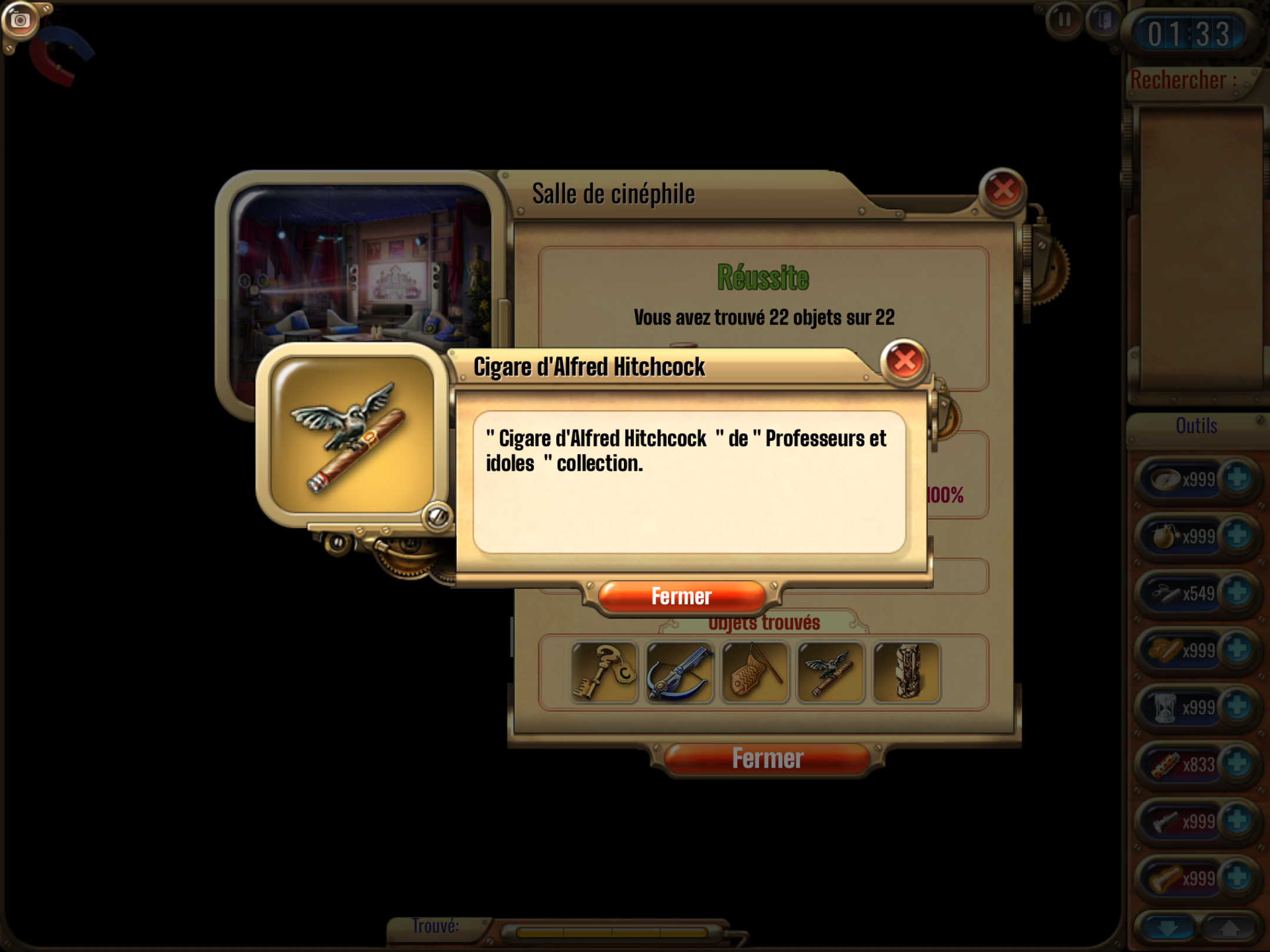
Dans les couloirs feutrés de la  Cinéphile cette école imaginaire et mythique où naissent les futurs génies du septième art -, se trouve une vitrine en verre qui semble figer le temps. Sous la lumière chaude, posée sur un velours cramoisi, repose un  gros cigare à moitié consommé . Ce n'est pas n'importe quel objet: c'est le cigare légendaire d' Alfred Hitchcock .

L'histoire raconte que ce cigare appartenait au Maître du Suspense lors d'une période sombre de sa carrière, au milieu d'un tournage chaotique où la technique le trahissait et où l'inspiration semblait l'avoir abandonnée. Hitchcock, rongé par sa phobie viscérale de l'échec, s'était enfermé dans le noir de la salle de montage. Le film manquait d'âme, la tension ne montait pas, et les producteurs menaçaient de tout arrêter.

Ce soir-là, face à la table de montage, le destin du film s'est joué dans un souffle de fumée.
ALFRED HITCHCOCK  (60 ans, silhouette imposante, la voix traînante et calme malgré la crise)
Arrêtez la machine, Arthur. Ça ne va pas. Ce plan est plat. C'est d'un ennui mortel. ARTHUR  (Le monteur, jeune, les manches rétroussées, l'air exténué)
Mais Monsieur Hitchcock, c'est la troisième fois que nous remontons cette séquence. Le public comprend parfaitement que le tueur est présent derrière la porte. ALFRED HITCHCOCK
Comprendre ? Je me fiche que le public  comprend . Je veux qu'il  transpire . Là, nous lui montrons une information, nous ne lui faisons pas vivre une expérience. Si les producteurs voient ça demain, ils coupent le budget. Ce sera le plus bel échec de ma carrière.
(Un silence s'installe. Hitchcock soupire, cherche dans sa poche et en sorte un gros cigare. Il coupe l'extrémité avec précision, l'allume. Une lueur rouge éclaire simultanément son visage impassible.)
ARTHUR  (Découragé)
Que fait-on alors ? Sur récrit ? On retourne la scène ? Sur n'a plus un sou, Monsieur. ALFRED HITCHCOCK
Le cinéma ne s'achète pas, Arthur. Il se capture.
(Hitchcock rejette une épaisse bouffée de fumée bleue. Celle-ci monte lentement et vient couper le faisceau lumineux du projecteur. La poussière de la pièce et les volutes de tabac se mettent à danser, créant des ombres mouvantes et spectrales sur l'écran blanc.)
ALFRED HITCHCOCK  (Le regard soudain illuminé, fixant la fumée)
ça Regardez, Arthur... Regardez cette fumée dans la lumière. Elle a l'air vivante. Elle a l'air coupable. ARTHUR  (Regardant le faisceau, confus)
C'est... juste de la poussière et du tabac, Monsieur. ALFRED HITCHCOCK
Non, c'est du cinéma pur. C'est l'héritage du muet. Qu'est-ce qui fait peur dans le noir ? Ce n'est pas ce que l'on voit, c'est ce que l'on devine à travers la brume. Regardez ce cadre brillant qui se dessine à l'écran grâce à l'ombre de la fumée. On va plonger le couloir dans le noir absolu. On placera un seul projecteur derrière la porte, pour que le tueur ne soit qu'une silhouette découpée dans la brume. ARTHUR  (Saisissant l'idée, les yeux grands ouverts)
Et le spectateur ne verra pas son visage… Il projettera sa propre terreur sur cette silhouette ! ALFRED HITCHCOCK  (Esquissant un rare sourire, écrasant le cigare à moitié consommé dans un cendrier)
Exactement. L'imagination du public fera le travail à notre place. Gardez ce cigare sur votre bureau, Arthur. Il vient de nous sauver la mise. Demain, on retourne le plan.


C'est ainsi que le film fut sauvé du désastre, léguant au cinéma l'une de ses scènes les plus mémorables.

Aujourd'hui, à la Cinéphile ce cigare et la fine poussière qui semble éternellement suspendue autour de lui sont devenus un repère pour les nouvelles générations. Chaque fois que de jeunes talents franchissent les portes de l'école, ils s'attendent de longues minutes devant la vitrine. Ils y posent délicatement la main, fixent les volutes invisibles du passé, et font le vœu silencieux de trouver, eux aussi, leur propre coup de génie face à l'écran blanc.
Merci 🥰

Подпись автора

Mamie code 667a2c

+2

1310

https://upforme.ru/uploads/0019/3c/8c/513/t843024.png

В Синефильской, среди прочих артефактов, на выцветшем бархате лежала сигара Альфреда Хичкока — предмет, который, казалось, хранил в себе не только аромат табака, но и тайны великих фильмов. Эта сигара принадлежала самому мастеру напряжения и психологического триллера, и её история была полна вдохновения и творческих откровений.
Сигара попала в руки Хичкока в 1958 году, когда он работал над своим культовым фильмом «Психо». В тот период режиссёр столкнулся с творческим тупиком. Сценарий не складывался, а идеи казались ему банальными и избитыми. Однажды, в поисках вдохновения, он решил провести вечер в своем любимом кафе, где собирались творческие умы. Заказав чашку кофе, он достал сигару и закурил, погружаясь в размышления.

В этот момент к нему подошёл молодой сценарист, который был полон идей, но не знал, как их реализовать. Хичкок, слушая его, задумался о том, как часто в его фильмах главный герой оказывается в ловушке, и как важно показать этот момент зрителю. Он вспомнил о сигаре, которую держал в руках, и о том, как она символизировала не только его личные привычки, но и атмосферу напряжения, которую он стремился передать в своих работах.

Идея пришла к нему, как вспышка: он решил использовать сигару как символ, который будет связывать персонажа с его внутренними страхами и желаниями. В одном из ключевых моментов фильма он представил сцену, где главный герой, Норман Бейтс, курит сигару, размышляя о своих поступках. Этот кадр стал поворотным моментом, когда зритель впервые увидел его внутреннюю борьбу, и именно он добавил глубину и многослойность персонажу.

Сигара Хичкока не только помогла ему найти нужный кадр, но и стала символом его творческого процесса. Она напоминала ему о том, что иногда вдохновение приходит в самых неожиданных формах и что важно уметь слушать окружающий мир. С тех пор сигара заняла своё место в витрине Синефильской, как напоминание о том, что великие идеи могут возникнуть из простых вещей, если только уметь их увидеть.

Каждый раз, когда юные дарования останавливаются у этой витрины, они не просто смотрят на сигару — они ощущают её магию, вдохновляясь историей о том, как однажды она помогла великому мастеру создать шедевр, который навсегда изменил мир кино.

Подпись автора

4ef1c7  kujo  426

+3

Быстрый ответ

Напишите ваше сообщение и нажмите «Отправить»


Вы здесь » Загадочный дом - Фан клуб » 🤗 Поиграем 🎉 » ПРИКЛЮЧЕНИЯ